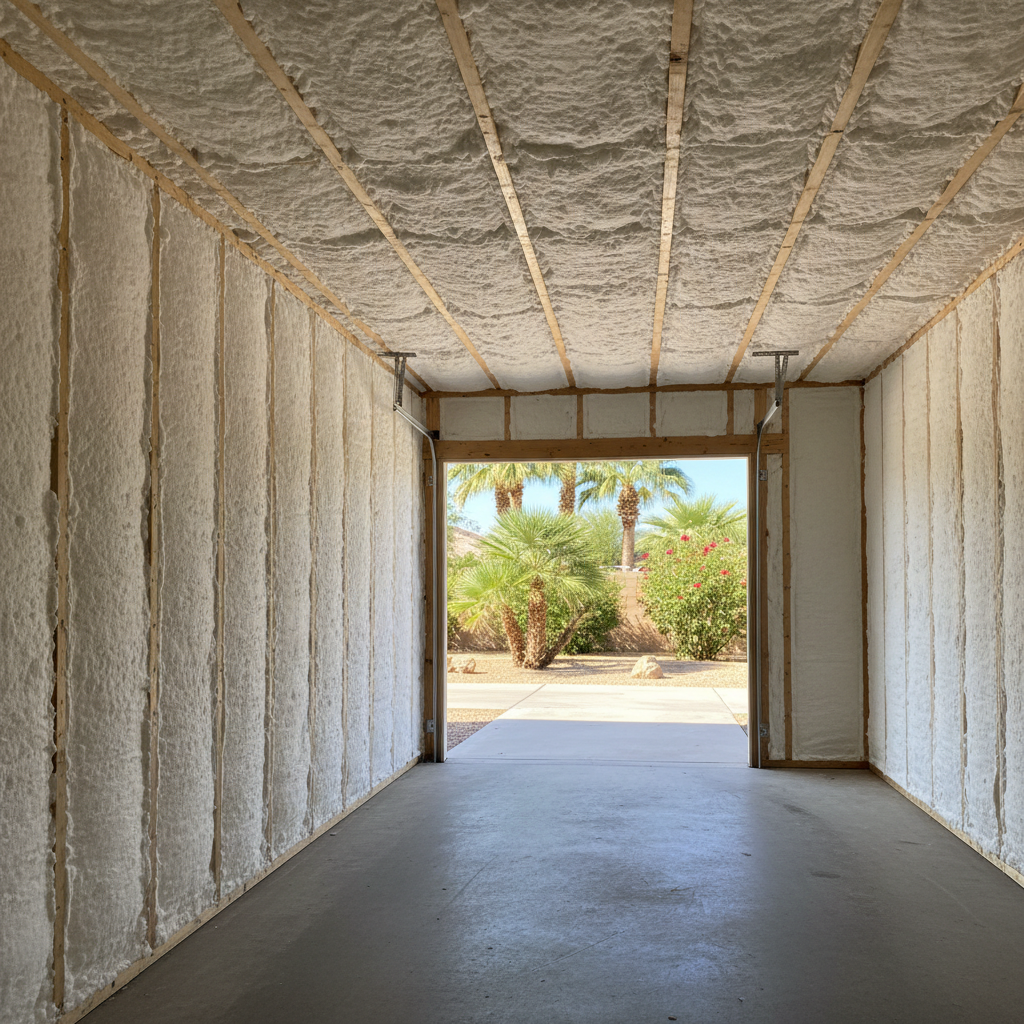
Extend Your Garage Insulation's Lifespan in Gilbert
You've invested in insulating your garage, maybe even with some good quality spray foam from us at Gilbert Spray Foam Insulation. That's a smart move, especially with our brutal summers. Now, how do you make sure that investment lasts? It's not rocket science, but it does take a little attention.
First off, keep it dry. This might sound obvious, but water is insulation's worst enemy, especially here where we get those intense monsoon downpours. If your garage gets wet from a leaky roof, a faulty sprinkler head, or even just condensation, that moisture can compromise the insulation's effectiveness and lead to mold. Make sure your roof is in good repair, gutters are clear, and any exterior grading slopes away from the garage.
Next, protect it from physical damage. Garages are busy places. You're moving tools, parking cars, storing bikes, and sometimes, things bump into walls. If you've got batt insulation, a tear in the facing or a compressed section can create thermal bridges, letting heat right in. Spray foam is tougher, but even it can be damaged by sharp objects or excessive force. Be mindful of what you're doing near insulated walls and ceilings.
Regular Maintenance for Your Garage Insulation
So, what does 'regular maintenance' actually look like for garage insulation? It's pretty straightforward, honestly. You don't need a special toolkit or a weekly ritual.
- Visual Inspections: A few times a year, just take a good look around your garage. I usually tell folks to do it when the seasons change. Look at the walls, the ceiling, and especially around doors and windows. Are there any visible gaps? Is anything sagging or torn? Are there any dark spots that might indicate moisture or mold?
- Pest Control: This is a big one, especially in Gilbert where we deal with everything from scorpions to rodents. Pests love to nest in insulation, especially fiberglass batts. They'll chew through it, nest in it, and generally make a mess that ruins its R-value. Keep your garage clean, seal up any exterior entry points (like gaps around pipes or vents), and consider regular pest control. If you see signs of critters, address it immediately.
- Air Sealing Check: Insulation and air sealing go hand-in-hand. Even the best insulation won't do its job if air is leaking in and out. Check around your garage door seals – top, bottom, and sides. Look at any penetrations in the walls or ceiling, like electrical outlets or light fixtures. If you feel a draft, that's where you need to seal it up with caulk or weatherstripping.
Warning Signs of Insulation Problems
How do you know if your garage insulation is failing or has a problem? Your home will tell you, if you pay attention. Here are some common red flags:
- Unexplained Temperature Swings: If your garage suddenly feels much hotter or colder than usual, even when the outside temperature hasn't changed dramatically, that's a big indicator. You might notice the room above the garage getting warmer too.
- Higher Energy Bills: If your AC is working overtime to cool the rest of your house, and your garage is connected, compromised insulation could be a culprit. Your HVAC system has to work harder to compensate for the heat seeping in.
- Visible Damage: This is the most obvious. Tears, gaps, sagging insulation, or areas where insulation is missing entirely are clear signs.
- Moisture or Mold: Any dampness, water stains, or a musty smell in your garage is a serious warning sign. Mold isn't just bad for your insulation; it's bad for your health.
- Pest Activity: Droppings, nests, or sounds of scurrying in the walls or ceiling are definite signs that pests have made themselves at home in your insulation.
When to Call a Professional
Look, I'm a big believer in homeowners taking care of their property. But there are definitely times when you need to call in the pros. Here's when you should pick up the phone:
- Extensive Damage: If you've got large sections of insulation that are damaged, wet, or infested, it's usually beyond a DIY fix. Removing and replacing insulation, especially if it's contaminated, requires proper safety gear and disposal methods.
- Persistent Moisture Issues: If you've got a recurring leak or condensation problem that you can't pinpoint or fix, you need a professional. Fixing the insulation without addressing the source of the moisture is just a temporary band-aid.
- Suspected Mold Growth: If you see significant mold or suspect it's hidden behind walls, don't mess with it. Mold remediation is a specialized job.
- Energy Audit Needs: If you're experiencing high energy bills and can't figure out why, an energy audit can pinpoint exactly where your insulation might be failing. We can often do an inspection and give you an honest assessment.
- Upgrading for Better Performance: Sometimes, your existing insulation just isn't cutting it anymore, especially if you're in an older Gilbert home with minimal insulation. If you're looking to significantly improve your garage's energy efficiency and comfort, it's time to talk about an upgrade, like adding or replacing with spray foam.
Your garage insulation plays a huge role in keeping your whole house comfortable and your energy bills reasonable, especially with our long, hot summers. A little bit of attention goes a long way in protecting that investment.